If you want a suburb with everyday convenience, strong recreation options, and a wide range of housing, Schaumburg deserves a close look. For many buyers and sellers, the big question is whether it feels like a practical place to build your next chapter or just a busy retail hub. The good news is that Schaumburg offers much more than shopping, and understanding how it actually lives day to day can help you make a smarter move. Let’s dive in.
Schaumburg at a Glance
Schaumburg is a large, established northwest suburb with an estimated 77,099 residents spread across 19.29 square miles. That works out to a population density of 4,080.4 people per square mile, which gives it a more active and built-out feel than a small residential suburb.
You also get a community with a broad mix of ages and backgrounds. Census data shows 23.2% of residents are under 18, 17.1% are 65 or older, 32.7% are foreign-born, and 41.9% speak a language other than English at home. In day-to-day life, that translates to a community that feels established, diverse, and active.
Daily Life in Schaumburg
Living in Schaumburg often means having a lot close by. The village is known as an economic center of the northwest suburbs, and that shows up in the amount of shopping, dining, services, and transportation options available across town.
Instead of feeling like a quiet enclave with only a few local stops, Schaumburg feels more like a full-service suburb. You can run errands, meet friends for dinner, get outdoors, and access major roads or transit without needing to leave the area very often.
Shopping and Dining in Schaumburg
Schaumburg is probably best known for Woodfield Mall, and it is a major part of the local lifestyle. According to Simon, Woodfield Mall has more than 2 million square feet, nearly 280 stores, 8 full-service restaurants, more than 30 fast-casual dining options, and entertainment venues that add to its role as a regional destination.
That kind of retail concentration gives you convenience that many suburbs simply do not have. Whether you need everyday basics, major brands, or indoor entertainment, the Woodfield area gives you a lot of options in one part of town.
Beyond Woodfield Mall
Schaumburg is not just a mall suburb. The village highlights specialty local shops, a broad dining mix, and attractions like the 20-acre International Sculpture Park, which helps round out the local experience.
The village has also spotlighted its vibrant dining scene as part of its community identity. For you as a resident, that means dining out is not limited to chain restaurants or one commercial corridor. There is a stronger food and entertainment presence here than many buyers expect.
Parks and Outdoor Recreation
One of the most appealing parts of life in Schaumburg is that it balances its built-up commercial side with meaningful green space. Schaumburg Park District maintains nearly 300 acres of preserved natural areas, along with 85 miles of bike lanes or paths.
That matters because it changes how the suburb feels on weekends and after work. You are not limited to shopping centers and parking lots. You also have places to walk, bike, explore nature, and spend time outdoors without going far.
Spring Valley is a Standout
Spring Valley is one of Schaumburg’s signature outdoor amenities. It spans 135 acres and includes more than three miles of accessible hiking trails, a nature center, and an 1880s living history farm, with free public admission.
For many residents, this is the kind of feature that adds real lifestyle value. It gives you a place for a casual walk, seasonal outings, and a break from the pace of the commercial corridors nearby.
Recreation for All Seasons
Schaumburg also has strong indoor recreation options. The Community Recreation Center includes The Water Works indoor water park and a fitness center, and the park district also offers pools, swim lessons, group fitness, and aquatic programs.
The Vera Meineke Nature Center adds seasonal exhibits, a children’s activity area, a library, and a living turtle pond display. Altogether, the park and recreation system supports a very active day-to-day lifestyle for residents who want more than just a place to sleep between commutes.
Getting Around Schaumburg
Schaumburg offers more transportation options than some suburban buyers expect, but it still helps to think of it as a car-friendly community first. The mean travel time to work is 27.8 minutes, which suggests a fairly typical suburban commute pattern.
Major road access is a big part of daily life here. The Woodfield area is closely tied to I-90, I-290, and Illinois 53, which supports commuting, shopping, and regional access.
Public Transit Options
If you want transit access, Schaumburg does offer several layers of service. Metra’s Milwaukee District West line serves the Schaumburg station at 2000 S. Springinsguth Road and connects riders to Chicago Union Station and Elgin.
The village also lists multiple Pace routes in Schaumburg, including 208, 236, 284, 554, 600, 604, 606, 607, 697, and 905. The Northwest Transportation Center serves Cook, DuPage, and Kane counties and handles more than 1,000 daily boardings.
Local Mobility Around Town
Schaumburg adds some local convenience through services like the free Woodfield Trolley. It connects key destinations such as Woodfield Mall, IKEA, the Renaissance Schaumburg Convention Center Hotel, Hyatt Regency Schaumburg Chicago, and the Streets of Woodfield.
There is also DART service to the Metra station with advance reservation. So while most residents will likely still find a car useful for everyday errands, Schaumburg does give you more flexibility than a suburb with little or no transit infrastructure.
Housing Options in Schaumburg
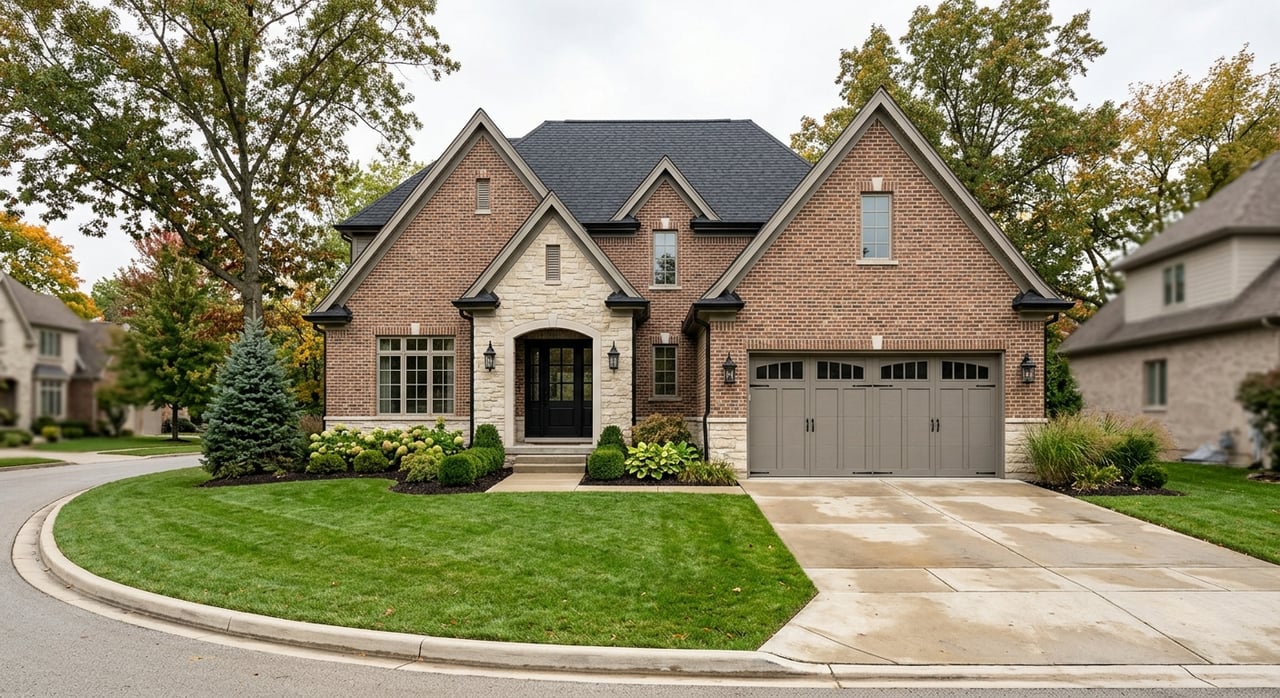
Schaumburg has one of the more flexible housing mixes in the northwest suburban area. The village reports more than 12,000 single-family homes and 21,000 multi-family units, with housing types ranging from condos and apartments to senior housing and corporate housing.
That range is important if you are at a transition point. Whether you are buying your first place, downsizing, relocating, or looking for more space, Schaumburg gives you more than one path into the market.
What the Housing Mix Means for Buyers
If you want convenience or a lower-maintenance setup, condos, apartments, and other multi-family options are part of the local housing stock. If you want more room, Schaumburg also has a substantial detached-home base that supports buyers looking for yard space, additional square footage, or a more traditional suburban layout.
The village says housing prices can range from condos under $100,000 to single-family homes over $900,000. Census estimates also show a 62.9% owner-occupied rate, a median gross rent of $1,812, and a median owner-occupied home value of $330,400, though those figures should be treated as directional.
What the Neighborhood Feel Is Really Like
Schaumburg tends to feel structured and established rather than pieced together. Village planning and residential regulations help guide neighborhood character, even with a wide mix of housing types and development patterns.
For you, that usually means the community feels organized and consistent in how residential areas connect to commercial zones, parks, and major roads. It is a suburb where convenience is a major strength, but there is also enough neighborhood structure to support long-term living.
Who Schaumburg Fits Best
Schaumburg can work well for a wide range of buyers and homeowners because it does not force one lifestyle. You can find recreation, shopping, transit access, and different housing options in the same community, which is not always easy to do in one suburb.
It may be a strong fit if you want:
- A suburb with a lot of shopping and dining close by
- Access to parks, trails, and year-round recreation
- A housing market with condos, apartments, and single-family homes
- A location with both highway access and some transit options
- A community that feels established and amenity-rich
Final Thoughts on Living in Schaumburg
Schaumburg offers a practical mix of convenience and livability. It is large enough to give you real options for dining, entertainment, recreation, and housing, but it also has the neighborhood structure and park system that many buyers want in suburban life.
If you are weighing a move to Schaumburg, the key is understanding how your budget, commute, and preferred home style line up with the village’s housing mix and layout. That is where local guidance and market analysis can make a big difference. If you are thinking about buying or selling in Schaumburg, Jeffrey Padesky Real Estate can help you evaluate your options with clear, data-driven advice.
FAQs
What is daily life like in Schaumburg, Illinois?
- Daily life in Schaumburg tends to feel convenient and active, with major shopping, dining, parks, recreation programs, and transportation options all available within the village.
Is Schaumburg, Illinois, a good place for outdoor recreation?
- Schaumburg has nearly 300 acres of preserved natural areas, 85 miles of bike lanes or paths, and major amenities like Spring Valley, trails, pools, fitness facilities, and an indoor water park.
What kinds of homes can you find in Schaumburg, Illinois?
- Schaumburg offers a broad housing mix that includes condos, apartments, multi-family housing, and more than 12,000 single-family homes.
Can you commute from Schaumburg, Illinois, without driving everywhere?
- Schaumburg has Metra service, multiple Pace routes, the Woodfield Trolley, and DART access, but many residents will still find a car useful for daily life.
Is Schaumburg, Illinois, mostly shopping and commercial development?
- Shopping is a major part of Schaumburg’s identity, but the village also offers extensive parks, natural areas, recreation facilities, and established residential neighborhoods.